Panic Attacks: What They Are and What to Do
Panic attacks can feel like dying, but the alarm response is treatable. Learn what happens in your body, what to do during an attack
 Ricardo De Castro KingPsychologist · Meet the author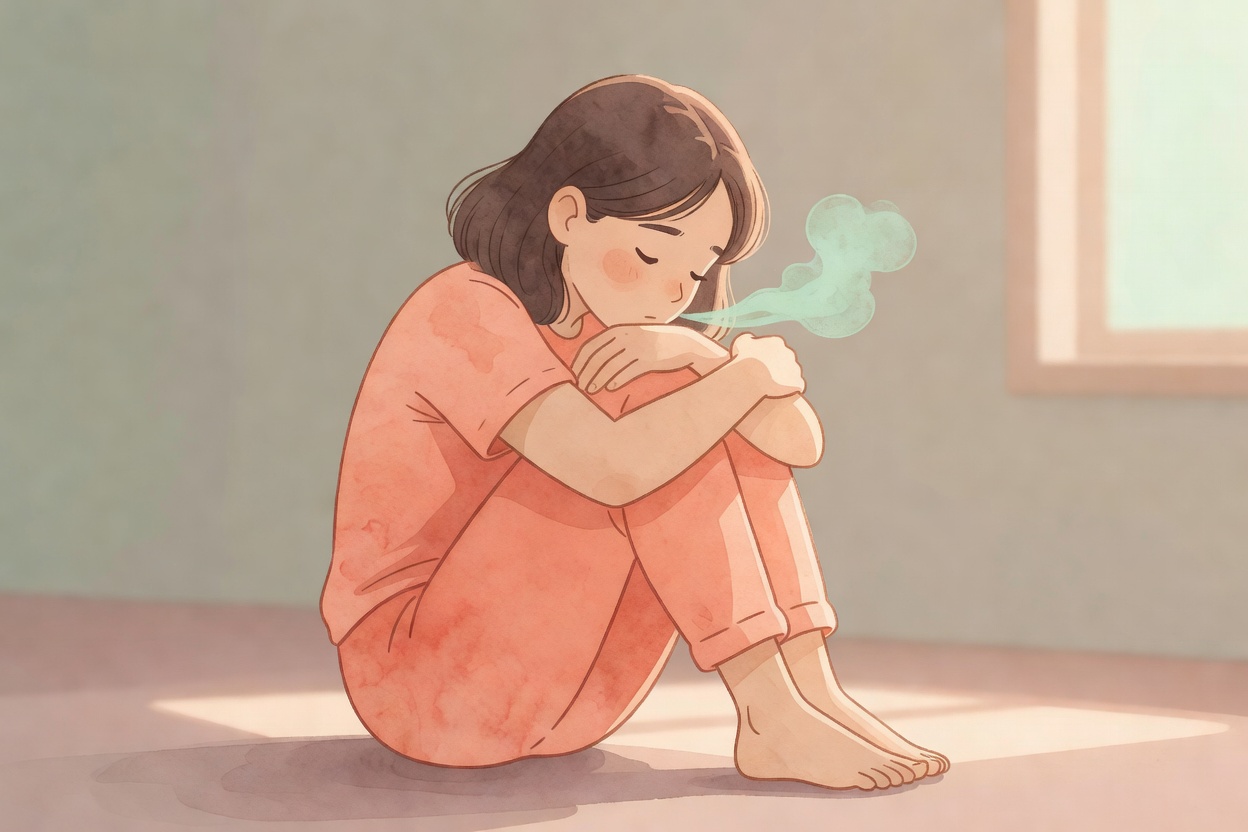
Panic Attacks: What They Are and What to Do
The first time you have a panic attack, you think you’re dying. Your heart pounds. Your chest squeezes. You can’t breathe. The room spins. You think: This is a heart attack. Something is seriously wrong.
Then it passes. And you spend the next days, weeks, months terrified it’ll happen again.
If this sounds familiar, you’re not alone — and you’re not dying. Here’s what’s actually happening.
What a Panic Attack Is
A panic attack is your fight-or-flight system firing at maximum intensity, for no obvious reason. It’s a false alarm — a full-body emergency response to a threat that isn’t there.
Your amygdala (the brain’s alarm center) sends an emergency signal. Adrenaline floods your system. Your body prepares to fight or run:
- Heart rate spikes (to pump blood to muscles)
- Breathing becomes rapid and shallow (to get more oxygen)
- Muscles tense (ready for action)
- Digestion shuts down (not a priority in an emergency)
- Vision narrows (to focus on the threat)
- Hands tingle or go numb (blood is redirecting)
Every symptom has a logical explanation. Your body is doing exactly what it’s designed to do in a real emergency. The problem is that there’s no emergency.
What It Feels Like
People describe panic attacks differently, but common experiences include:
- Pounding or racing heart
- Feeling like you can’t breathe or are choking
- Chest pain or pressure
- Dizziness, lightheadedness
- Feeling of unreality (like you’re watching yourself from outside)
- Tingling in hands, feet, or face
- Nausea or stomach distress
- Feeling of impending doom (“something terrible is about to happen”)
- Overwhelming urge to escape
Panic attacks typically peak within 10 minutes and resolve within 20-30 minutes. They feel like forever. They’re not.
The Fear of the Fear
Here’s the cruel twist: after your first panic attack, you develop a fear of having another one. This fear itself triggers anxiety, which triggers more panic symptoms, which confirms your fear.
This cycle has a name: panic disorder. It’s not the panic attack that traps you — it’s the fear of the next one.
This fear can lead to:
- Avoiding places where you’ve had attacks
- Not going out alone
- Constantly monitoring your body for symptoms
- Carrying “safety items” everywhere
- Life getting smaller and smaller
What to Do During a Panic Attack
When it hits, your rational brain goes offline. So these need to be simple and practiced before you need them:
1. Name it
Say out loud or in your head: “This is a panic attack. It is not dangerous. It will pass.” This engages your prefrontal cortex (rational brain) and starts pulling your brain out of alarm mode.
2. Breathe slowly (not deeply)
Panic makes you hyperventilate, which makes symptoms worse. Focus on slowing your exhale:
- Breathe in for 4 counts
- Breathe out for 6-8 counts
- The long exhale activates your parasympathetic nervous system
3. Ground yourself
Use the 5-4-3-2-1 technique:
- 5 things you can see
- 4 things you can touch
- 3 things you can hear
- 2 things you can smell
- 1 thing you can taste
This forces your brain to process sensory information, which pulls it away from the panic loop.
4. Don’t fight it
Fighting the panic (“Make it stop!”) adds more stress. Instead, try: “Okay, you’re here. I’ll wait.” The panic peaks and fades on its own. Letting it pass without resistance actually shortens the episode.
5. Cold water
Run cold water over your wrists or splash it on your face. This activates the mammalian dive reflex, which automatically slows your heart rate. It’s not a trick — it’s biology.
What to Do Between Panic Attacks
Understand your triggers
Keep a brief log of when attacks happen. Note: time, place, what you were doing, what you were thinking. Patterns emerge. Maybe it’s always crowded places. Maybe it’s always when you feel trapped. Maybe it’s after caffeine.
Stop the avoidance cycle
If you had a panic attack at the grocery store and now avoid grocery stores, your brain learns: Grocery stores are dangerous. The avoidance feels safer but makes the territory of “safe places” smaller and smaller.
The antidote is gradual exposure — returning to the feared situation in small, manageable steps. Ideally with a therapist guiding the process.
Daily nervous system care
Panic attacks don’t come from nowhere. They’re the peak of a system that’s been running too hot. Daily practices that lower your baseline anxiety:
- Regular exercise
- Breathing exercises (even 5 minutes daily)
- Reducing caffeine
- Sleep consistency
- Meditation (MomentoVital’s guided practices are a good start)
Professional support
If panic attacks are recurring, CBT with exposure therapy is the gold standard treatment. It has a very high success rate. Ricardo De Castro King, a clinical psychologist, works with panic online, and you can start from home.
Working with a psychologist is the most direct way to break the panic cycle: Ricardo De Castro King works with panic online.
What to Tell People Around You
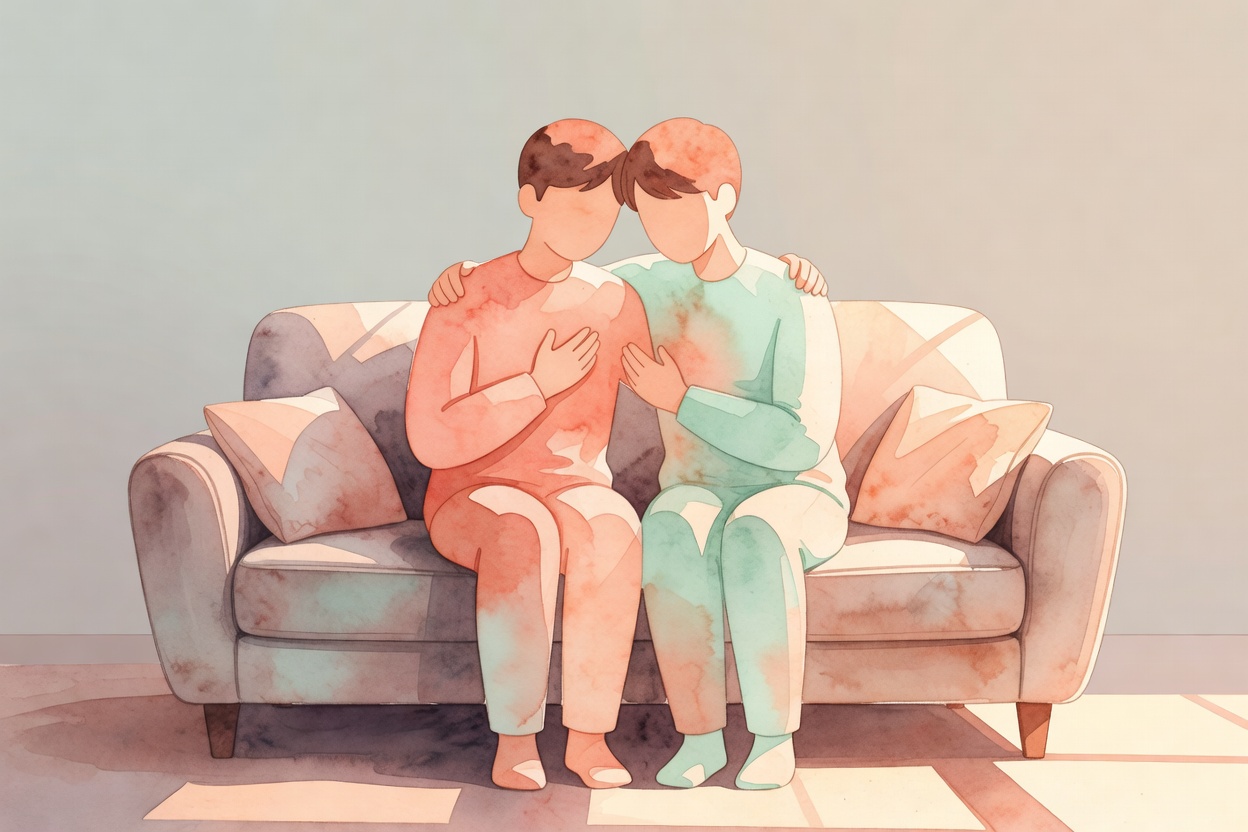
If people in your life don’t understand panic attacks, share this:
“A panic attack is my body’s alarm system going off for no reason. I’m not in danger, but my body thinks I am. The best thing you can do is stay calm, remind me it’ll pass, and don’t make a big deal of it.”
You Will Get Through This
Panic attacks are terrifying. They are also treatable. Most people who get proper support see significant improvement within weeks.
You are not losing your mind. Your alarm system is misfiring. And there are very effective ways to recalibrate it.
The fact that you’re reading this means you’re already taking the first step.
Before changing anything else, you can measure it: the anxiety test (GAD-7) is seven questions and ends in an orientative reading, not a diagnosis. Free, no registration.