A SPACE TO UNDERSTAND
After a breakup, where do you begin?
A relationship ends, and routines, plans and contact change too. Find guides and activities for navigating that change and considering what you need now.

You're not overreacting
A breakup can feel like one of the hardest experiences in life. Science confirms it: the brain processes romantic rejection in the same areas that process physical pain. What you're feeling has a biological reason — it's not weakness.
- You may have trouble focusing
- You may lose your appetite or eat too much
- You may check their social media (even when you know you shouldn't)
- You may feel like you'll never find someone else
Try something right now
Choose an activity and try it at your own pace. You can stop at any time; you do not need to finish the whole page.
Self-Expansion Audit
A technique from the Aron Self-Expansion Model (1986). When a relationship ends, you lose the "expanded self" — traits, hobbies, and values that grew because of that person. This audit helps you reclaim what is yours and gently release what was shared.
This is educational, not a replacement for therapy. If you are in crisis, please seek professional support.
About these activities
The 5 stages nobody explains well
- The stages of romantic grief aren't a neat staircase. You go back, you skip some, you mix them — and that's part of the process.
- Nostalgia isn't love surviving. It's the brain missing a co-regulated emotional routine — even when that routine used to hurt. Sbarra & Emery (2005) documented this in daily-diary tracking.
- Writing without an audience or edits for 15-20 minutes across three or four sessions speeds up emotional integration after a loss. That's Pennebaker's (1997) classic finding.
Guided journal
Use a question to put your thoughts into words. You can change it, write a little or stop whenever you want.
What do you actually miss — that person, or the version of you that existed with them?
Saving is optional and stays in this browser. Avoid saving on shared devices; you can clear your text whenever you want.
📚 Writing can be a way to reflect. If a question makes you uncomfortable, choose another or stop the activity.
How are you processing your breakup?
Answer a few quick questions and we'll tell you which tools can help you most.
Read something that gets it
Guides to understand what you are going through and consider what may help.
 The 5 Stages of a Breakup (And Why Stage 3 Is the Hardest)Read article →
 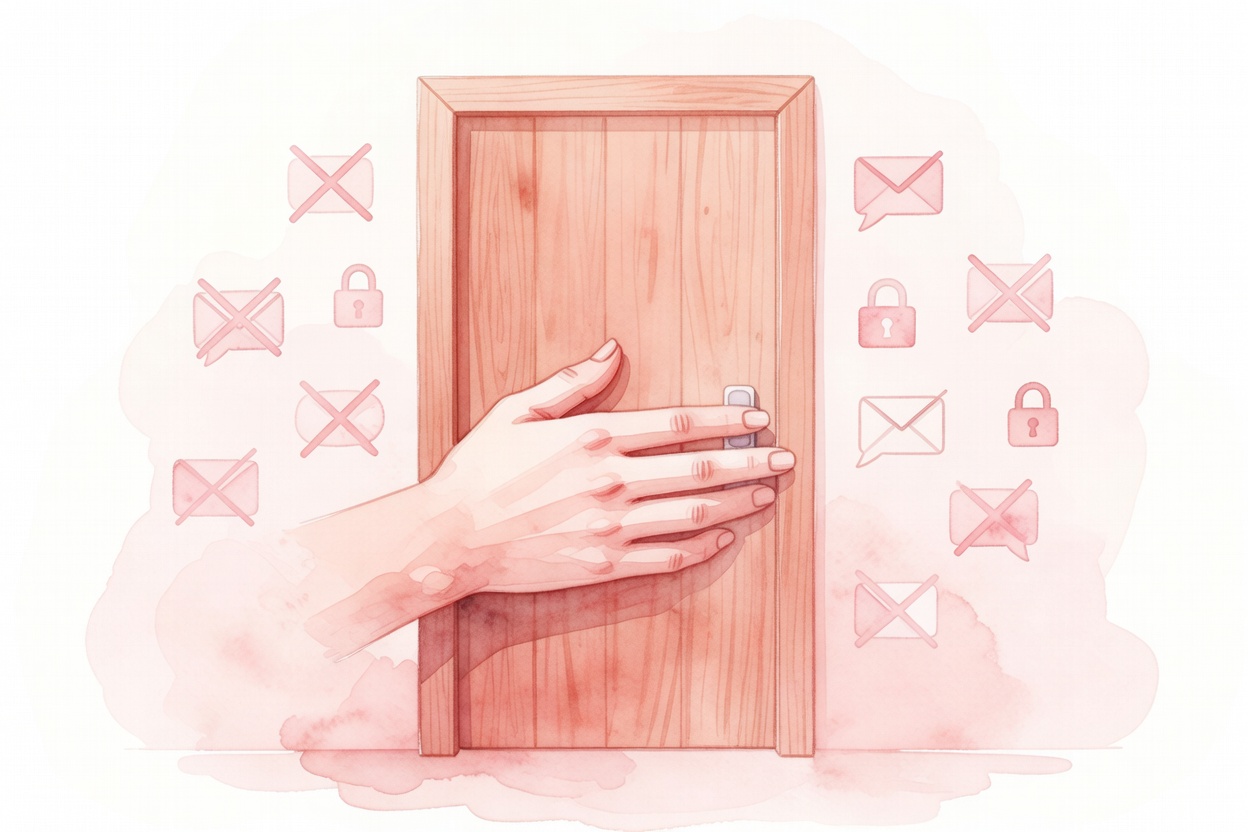 The No Contact Rule: Why It Works and How to Actually Do ItRead article →
  15 Things That Actually Help You Move On (Not Just 'Time')Read article →
 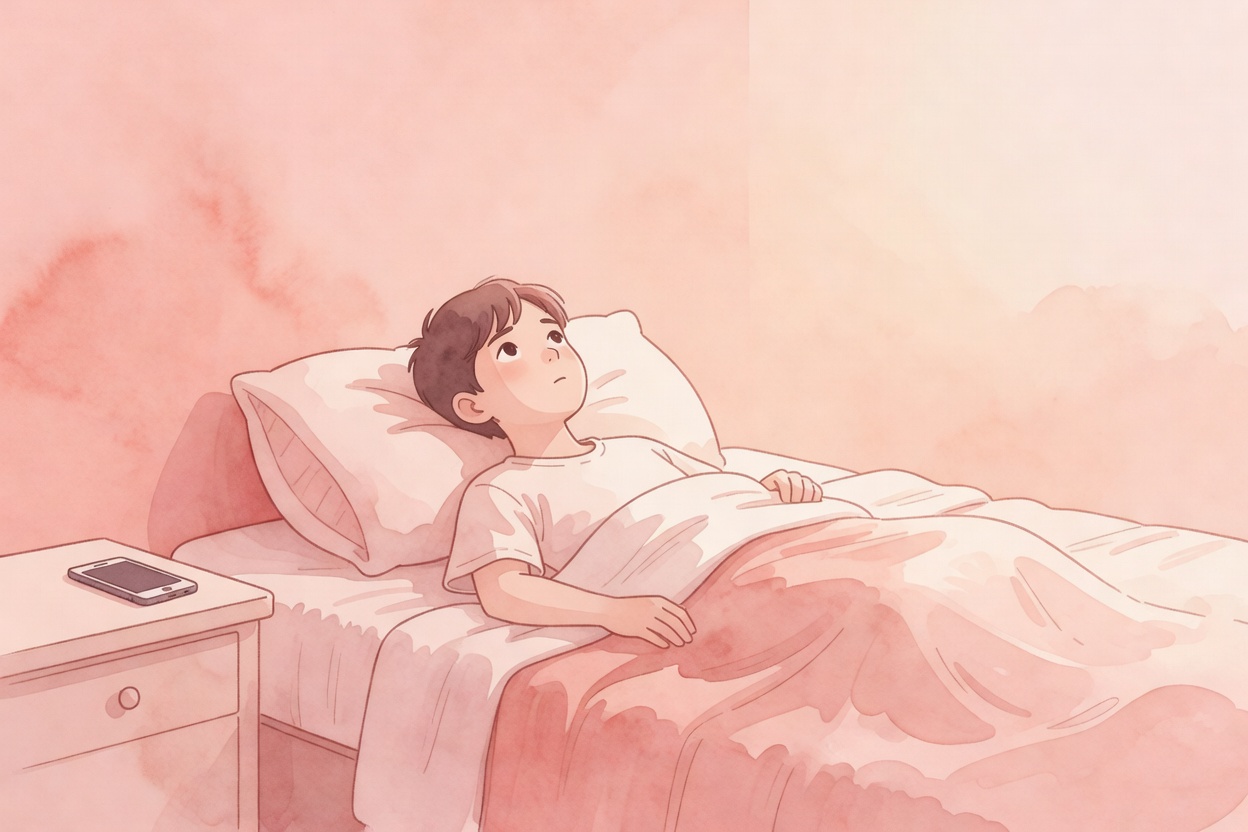 Can't Sleep After a Breakup?Read article →
 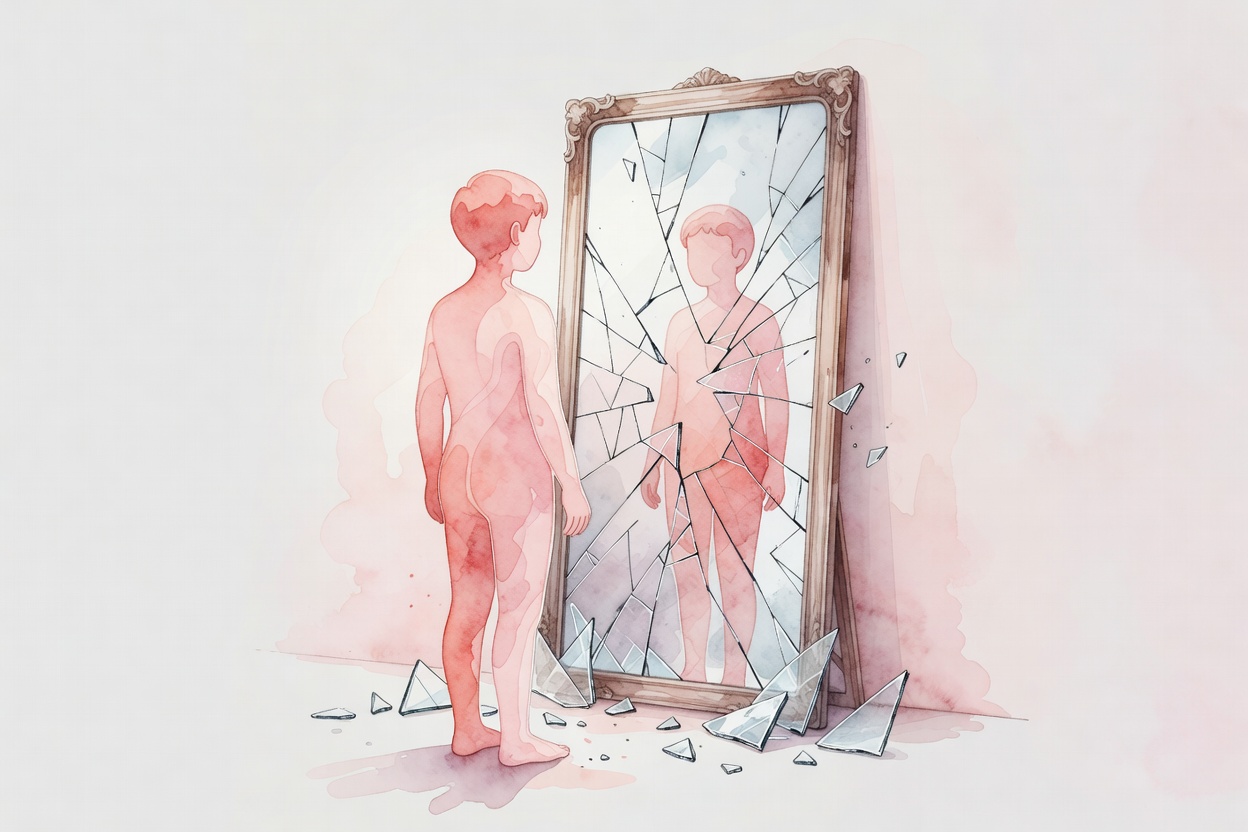 Rebuilding Your Self-Worth After Someone LeavesRead article →
 Return to the activities or keep exploring this topic.