Grieving a loss?
There are no words for what you're going through. But you don't have to go through it alone.
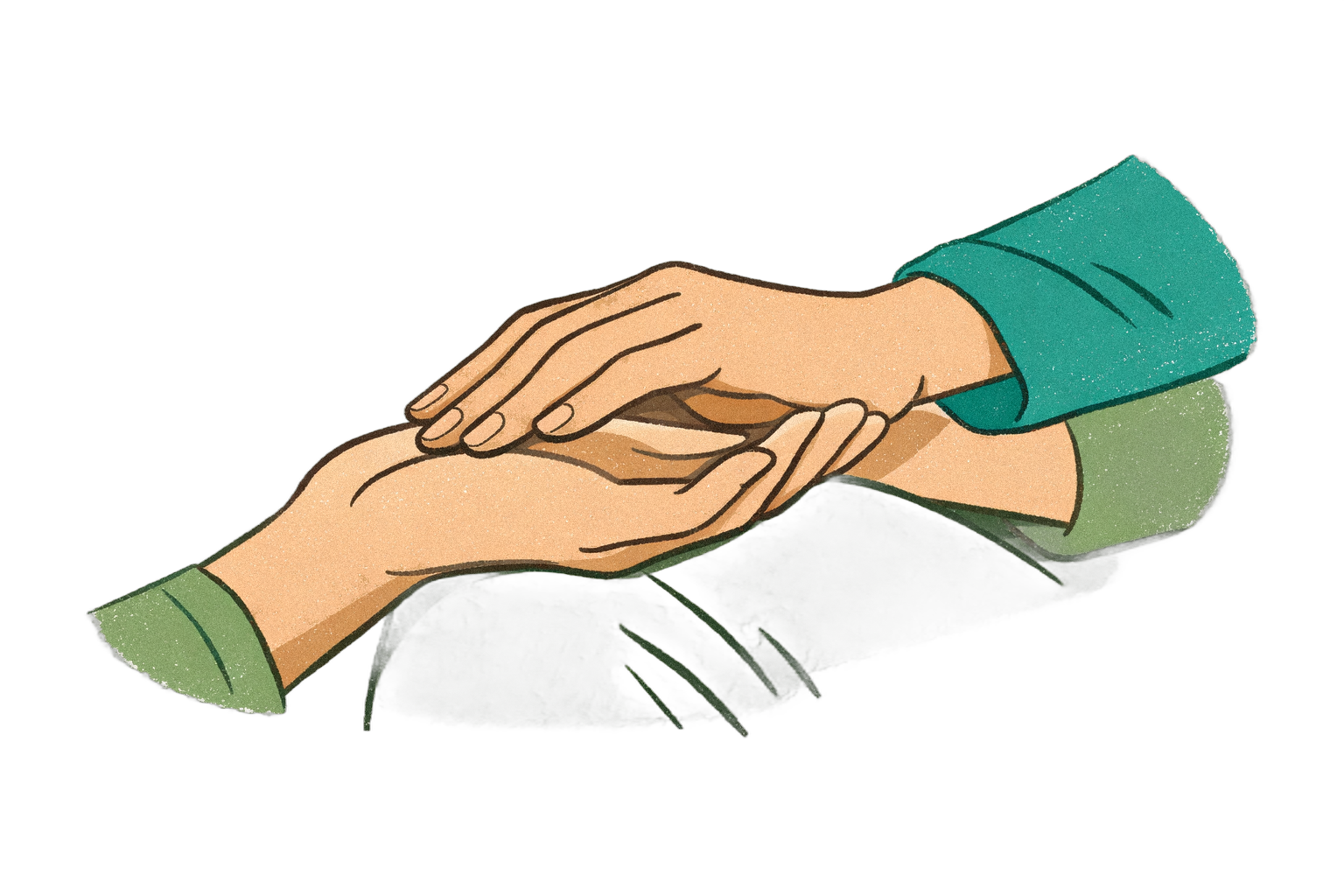
Your grief is yours
Grief doesn't follow rules. It doesn't care about timelines or what other people think is "enough time." The love you felt is the reason it hurts this much. That's not a problem to fix — it's proof that what you had mattered.
- It's normal to feel fine one hour and shattered the next
- It's normal to be angry — at them, at life, at everything
- It's normal to forget they're gone and then remember all over again
- It's normal to feel guilty about laughing or having a good day

Try something right now
These exercises are used in clinical therapy. They're free and you can do them right here.
Your Grief Oscillation
A technique from Stroebe & Schut (1999). Healthy grief oscillates between facing the loss and re-engaging with life. Log 7 days and see your rhythm — staying stuck on one side is a signal worth noticing.
This is educational, not therapy. If grief feels frozen for more than 6 months, please seek professional support.
crying, remembering, looking at photos
work, routines, new people
Grief as integration, not a timeline
- Grief is not something you "get over." You learn to carry it differently — some days it weighs little, other days it returns in full, and both are part of the process.
- Oscillating between confronting the pain and returning to daily life is not avoidance: it is what clinical science calls the Dual Process Model, and it is protective, not weak.
- Writing what you felt today — without editing, without looking for meaning — helps the brain integrate the loss more than cycling through the same thoughts.
Therapeutic Journal
Writing about what you feel reduces emotional impact. There's no wrong way. Just write.
What's the heaviest thing you're carrying today? Write it without filtering.
📚 Research from the University of Texas shows that writing about difficult experiences for 15-20 minutes reduces anxiety symptoms and improves physical health within weeks.
How are you carrying your grief?
There's no right way to grieve. These questions help us understand what might bring you some relief.
Read something that gets it
Not advice from someone who's never been there. Real writing about real pain.
If you want to explore additional resources that we've researched and recommend, they're here: