Can't Sleep After a Breakup?
Breakup insomnia is real — cortisol, rumination and lost routines can keep your brain wired at 3 AM. Here is what may help
 Ricardo De Castro KingPsychologist · Meet the author
Can’t Sleep After a Breakup? Here’s What’s Happening and What Helps
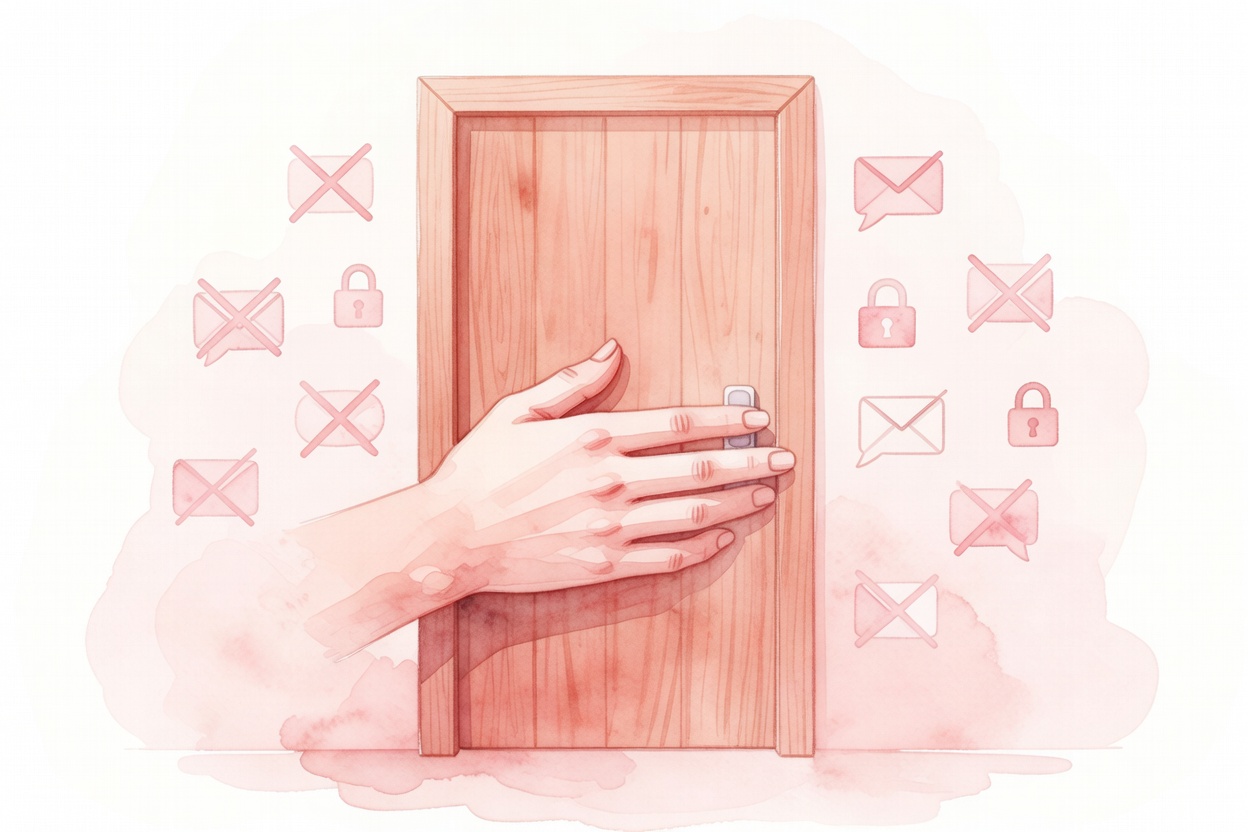
It’s 3:47 AM. You know this because you’ve watched every hour change since midnight. Your body is exhausted — the kind of bone-deep tired that should knock you out — but your brain has other plans.
It’s replaying conversations. Rewriting endings. Composing texts you’ll never send. Asking questions that don’t have answers.
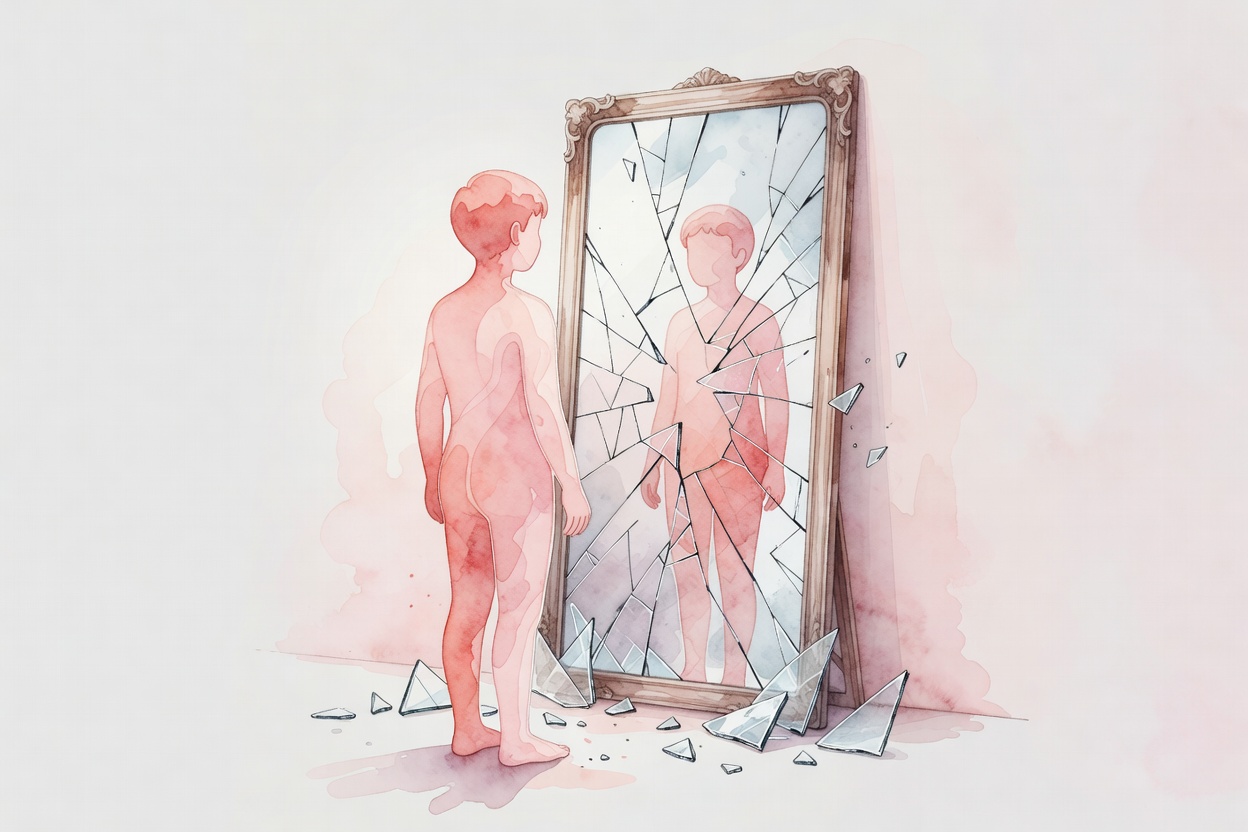
If this is you right now, I need you to know: this is normal. You’re not broken. Your brain is doing something very specific, and once you understand what, you can start working with it instead of against it.
Why Breakups Wreck Your Sleep
This isn’t just “stress.” There’s actual biology happening.
Your Cortisol Is Through the Roof
A breakup triggers your body’s threat response. To your nervous system, losing a partner registers like losing safety. Your HPA axis (hypothalamic-pituitary-adrenal axis) — the body’s central stress management system — goes into overdrive, flooding your system with cortisol that should be at its lowest during sleep hours but instead stays elevated for weeks.
Sleep research shows that when the HPA axis is hyperactivated, it causes fragmented sleep, shortened sleep cycles, and in severe cases, clinical insomnia. Cortisol’s job is to keep you alert and ready for danger. Great if a bear is chasing you. Terrible if you’re trying to fall asleep in a quiet apartment.
Your insomnia isn’t a character flaw. It’s your nervous system doing its job too well — protecting you from a threat it can’t distinguish from physical danger.
Your Brain Lost Its Routine
If you shared a bed, your body had a sleep routine that included another person — their warmth, their breathing, the weight on the other side of the mattress. That’s gone now, and your body notices. Even if you slept alone plenty of times before, the absence of what became normal registers as wrong.
The Rumination Loop
Your brain is a problem-solving machine. A breakup presents a problem it can’t solve: Why did this happen? Could I have prevented it? What do I do now?
Without a solution, your brain doesn’t stop. It loops. And the quietest, most stimulus-free environment for looping is… your bed at midnight.
Grief Disrupts Sleep Architecture
Research on severe emotional distress suggests that sleep problems are common, but the exact proportion varies by study and population. And grief changes the very structure of your sleep: you spend less time in deep, restorative slow-wave sleep and more time in light sleep phases, which means even when you do fall asleep, you wake up feeling like you didn’t.
What Doesn’t Work
Let’s get these out of the way:
- “Just stop thinking about it.” If you could, you would have. This isn’t helpful advice; it’s a misunderstanding of how brains work.
- Alcohol. It might knock you out, but it destroys your sleep quality. You’ll sleep for 5 hours and wake up feeling worse, plus now you’re hungover and sad.
- Scrolling on your phone. Blue light plus emotional content (especially social media where you might see them) is the worst combination for sleep.
- Sleeping pills as a long-term fix. They can help short-term in a crisis, but they don’t address the underlying problem and can create dependency.
8 Things That Actually Help
1. Give Your Brain a Landing Strip
The biggest enemy of sleep after a breakup is the unstructured quiet. Your brain uses it to ruminate.
Give it something else to do:
- Listen to something. Podcasts, audiobooks, sleep stories. Not music with emotional associations — something narrative that your brain can follow instead of spiraling. A slow, calm voice works because it gives your mind a track to follow that dead-ends into sleep. The sleep resources on MomentoVital are a good place to start.
- Try body-scan meditation. This is different from “clear your mind” meditation (which is impossible right now). A body scan asks you to focus on your toes, then your feet, then your calves. It’s boring enough to work. MomentoVital has short guided practices to start with.
2. Get Out of Bed When You Can’t Sleep
This sounds counterintuitive, but it’s backed by sleep science: if you’ve been lying awake for more than 20 minutes, get up.
Go to a different room. Do something low-stimulation — read a physical book, stretch, make herbal tea. When you feel drowsy, go back to bed.
The reason: your brain associates spaces with activities. If you spend hours lying in bed awake and anxious, your brain starts coding your bed as “the place where we worry.” Getting up breaks that association.
3. Write a “Brain Dump” Before Bed
Keep a notebook on your nightstand. Before you try to sleep, spend 10 minutes writing down everything that’s in your head. Not journal entries — just a dump.
I’m angry about what they said last Tuesday. I need to return their jacket. I’m scared I’ll be alone forever. I forgot to buy milk.
Get it all out. Then close the notebook. You’re telling your brain: I’ve recorded this. You don’t need to hold onto it tonight.
4. The 4-7-8 Breathing Technique
This one earns its reputation:
- Breathe in through your nose for 4 seconds
- Hold for 7 seconds
- Exhale slowly through your mouth for 8 seconds
- Repeat 4 times
The extended exhale activates your parasympathetic nervous system — the “rest and digest” mode that cortisol has been blocking. It doesn’t always put you to sleep, but it reliably dials down the physical tension.
5. Cold + Warm Cycling
Your body needs its core temperature to drop to initiate sleep. After a cortisol spike, your body runs warm.
Try this sequence:
- Take a warm shower 90 minutes before bed. Your body temperature will rise and then drop, which signals sleepiness.
- Keep your bedroom cool — 65-68°F / 18-20°C is the sweet spot.
- Warm socks, cool room. It sounds weird, but warming your extremities helps your core temperature drop faster.
6. Move During the Day (Not at Night)
Exercise is one of the strongest natural sleep aids. But timing matters. A morning or afternoon walk, run, or workout will improve your sleep tonight. A late-night gym session will flood you with adrenaline right when you don’t need it.
Even 20 minutes of walking in daylight helps. Sunlight exposure during the day calibrates your circadian rhythm, making your body more likely to feel sleepy at the right time.
7. Create a New Bedtime Ritual
Your old routine probably involved them — texting goodnight, watching something together, the presence of another person.
Build a new one. It can be simple:
- Phone charging in another room by 10 PM
- Herbal tea
- 10 minutes of reading (physical book, not a screen)
- Body scan or sleep story
- Lights out
Rituals work because they train your brain to recognize “okay, this sequence means sleep is coming.” It takes about two weeks to solidify, so be patient.
8. Talk to Someone During the Day
Part of why your brain goes haywire at night is because it’s processing emotions you’ve been suppressing during the day. If you spend 8 hours pretending you’re fine, your brain waits until 1 AM to deal with it.
Give the emotions a daytime outlet:
- Talk to a friend in the afternoon
- Journal during your lunch break
- Schedule therapy sessions for earlier in the day
If you haven’t considered therapy and sleep is severely affected, this is a good reason to start. A therapist can help you process the grief so your brain doesn’t have to do it at 3 AM. Ricardo De Castro King works with breakups online, at a time that fits your week.
How Long Will This Last?
Honestly? Breakup insomnia typically peaks in the first 2-4 weeks and gradually improves over 1-3 months. But “improves” doesn’t mean “vanishes.” You’ll have setback nights — anniversary dates, dreams about them, bad days that bleed into bad nights.
What I can tell you is this: the 3 AM ceiling-staring sessions get shorter. The falling-asleep part gets easier. And one night, without really noticing, you’ll sleep through until morning. It won’t feel dramatic. You’ll just wake up and realize: I slept.
When to Get Professional Help
Most post-breakup sleep problems resolve on their own. But see a doctor if:
- You’ve been sleeping less than 3-4 hours a night for more than two weeks
- You’re relying on alcohol or medications to fall asleep every night
- Your daytime functioning is seriously impaired (can’t drive safely, can’t focus at work at all)
- You’re having thoughts of self-harm (please call 988 Suicide & Crisis Lifeline or text HOME to 741741)
Sleep deprivation compounds grief. Getting help with sleep isn’t a luxury — it’s maintenance.
You’re not alone in this. Check out our breakup recovery toolkit for more resources, including guided journal prompts and curated self-care tools that work at any hour.