The No Contact Rule: Why It Works and How to Actually Do It
No Contact after a breakup sounds simple but feels impossible. Learn how distance can help and how to handle shared responsibilities
 Ricardo De Castro KingPsychologist · Meet the author
The No Contact Rule: Why It Works and How to Actually Do It
Let me save you some time: you already know you should stop texting your ex. Every friend, every article, every corner of the internet has told you the same thing. Go no contact.
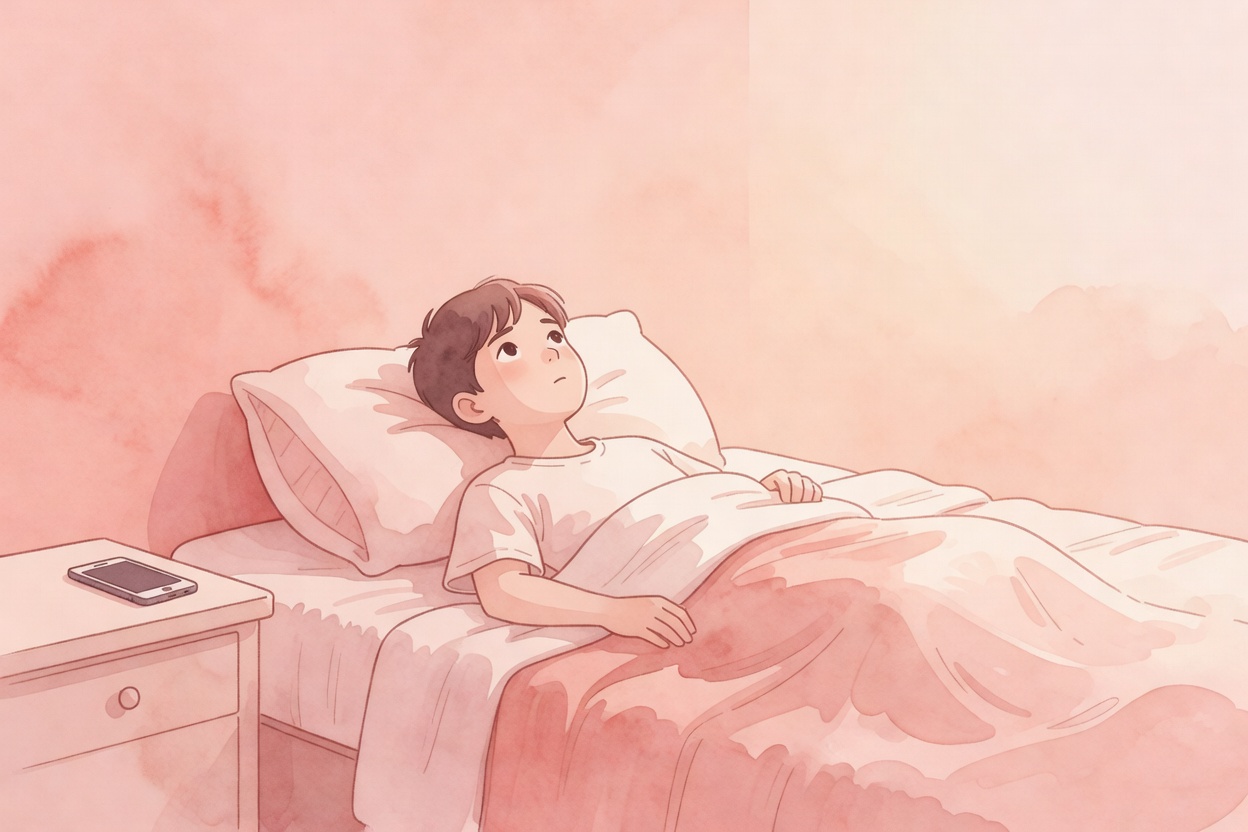
The problem isn’t knowing. The problem is doing it when your phone is right there and their name is right there and your brain has convinced you that one more conversation will give you closure.
It won’t. I learned that the hard way. Twice.
So let’s talk about what No Contact actually is, why your brain fights it so hard, and how to make it stick — even on the nights when every fiber of your being wants to send that text.
What No Contact Actually Means
No Contact isn’t a game. It’s not a manipulation tactic to “make them miss you.” It’s a boundary you set for yourself so your brain can start healing.
Here’s what it includes:
- No texting, calling, or DMing
- No checking their social media (yes, this counts)
- No asking mutual friends for updates
- No “accidentally” showing up where they’ll be
- No responding to their messages (this is the hardest one)
What it doesn’t mean:
- You hate them
- You’ll never speak to them again (maybe you will, eventually, when it doesn’t hurt)
- You’re being petty or immature
It means: Right now, contact with this person is keeping my wound open. I’m choosing to let it close.
Why Your Brain Fights It
Here’s something that helped me stop feeling pathetic about wanting to reach out: your brain is going through withdrawal. And I mean that literally.
Researchers have used fMRI brain scans to study reward and attachment responses after rejection. The result: the same reward regions that light up in cocaine addicts experiencing cravings — the ventral tegmental area and caudate nucleus — were firing in people looking at photos of their ex. Dopamine, oxytocin, the whole cocktail. When the relationship ends, your brain doesn’t calmly accept the new reality. It panics. It craves the hit.
That desperate urge to text them at 1 AM? It’s neurochemically identical to a drug craving. Your rational brain knows it’s a bad idea. Your limbic system doesn’t care about rational.
You’re not pathetic for wanting to reach out. You’re an addict in withdrawal. And that changes everything about how you approach recovery.
This is why willpower alone usually fails. You need systems.
How Long Should No Contact Last?
The standard advice is 30 days. And honestly? That’s a decent starting point. But the research tells a more nuanced story.
Research on breakup recovery suggests that improvement is gradual and varies widely; there is no universal 11-week deadline, and contact may affect people differently.
No Contact should last until you can think about them without your chest hurting.
For some people, that’s 30 days. For others, it’s 90. For a 5-year relationship that ended badly? It might be six months. Neuroscience suggests dopamine pathways can take 6-18 months to fully rebalance after a significant attachment loss. There’s no timer that dings when you’re ready.
What I can tell you is this: if you break No Contact at day 12 because you “feel fine,” you probably aren’t. The first wave of feeling okay is usually just the numbness wearing off in a different direction. Give it more time than you think you need.
How to Actually Do It: A Practical System
1. Remove the Triggers
You don’t need to delete their number. But you need to make contacting them harder than not contacting them.
- Mute or unfollow them on every platform. Don’t block unless you need to — muting removes the temptation without the drama.
- Move their chat to an archived folder. Out of sight reduces impulse.
- Turn off notifications from apps where they might appear.
- Ask a friend to change your social media password if you keep checking. Seriously. A friend who’ll give it back in 30 days.
2. Build a Craving Protocol
When the urge hits (and it will, probably around 10 PM on a Sunday), you need a plan that isn’t “just don’t do it.”
My protocol that worked:
- Set a 15-minute timer. Tell yourself: If I still want to text them in 15 minutes, I can.
- During those 15 minutes, do ONE thing: walk around the block, take a cold shower, call a friend, write in a journal.
- When the timer ends, reassess. 90% of the time, the acute craving has passed.
The other 10%? Write what you want to say in a notes app. Don’t send it. Read it tomorrow morning in daylight and see how you feel.
3. Fill the Gap
Your ex took up mental real estate. Hours of texting, planning, thinking about them. That space is now empty, and empty space gets filled with rumination.
Fill it intentionally:
- Pick up one thing you dropped during the relationship. A friend group, a hobby, a show you stopped watching.
- Move your body daily. Walking counts. The evidence on exercise and emotional regulation is overwhelming.
- Sleep hygiene matters. Breakup insomnia is real and it makes everything harder. If sleep is a struggle, the sleep resources on MomentoVital were made for nights of emotional distress — it sounds cheesy until you’re staring at the ceiling at 3 AM and it actually works.
4. Track Your Progress
This sounds silly, but it works: keep a streak counter.
Every day you don’t contact them, mark it. An app, a calendar, a tally on a sticky note. When you’re tempted, look at that number. I’ve gone 18 days. Do I really want to reset to zero?
Gamification works on brains. Use it.
5. Plan for the Weak Moments
The urge to break No Contact isn’t constant. It spikes at predictable times:
- Late at night (loneliness + fatigue = bad decisions)
- Weekends (unstructured time)
- After seeing something that reminds you of them
- After a bad day (when you want comfort from the person who used to provide it)
- After a good day (when you want to share it with them)
Know your triggers. Plan around them. If Sunday evenings are hard, schedule something for Sunday evenings.
What If They Contact You?
This is where it gets complicated. You’ve been strong for 22 days and then — buzz — their name on your screen.
Options:
- Don’t respond immediately. The urge to reply in 0.3 seconds is the craving talking. Wait at least 24 hours.
- Ask yourself: What do I actually gain from responding? If the answer is “maybe we’ll get back together” — don’t respond. That’s not a gain; that’s a relapse.
- If you must respond, keep it brief and neutral. “Thanks for reaching out. I need more time. I’ll let you know when I’m ready to talk.” Then go back to no contact.
- If they’re contacting you to manipulate or guilt-trip you, that’s your answer about whether you should respond.
What If You Share Kids, Work, or a Lease?
Full No Contact isn’t always possible. When you have to communicate:
- Keep it logistical. Treat it like a business email. Facts only.
- Use text or email, not phone calls. Written communication gives you time to think before responding.
- Set boundaries: “I’m happy to discuss [kids/lease/work project]. I’m not available for personal conversations right now.”
- Get a mediator if things get emotional. A mutual friend, a lawyer, a therapist — someone who can be the buffer.
The Moment It Clicks
There’s a day — and I can’t tell you when it’ll be — where you realize you haven’t thought about them since morning. Not because you’re forcing yourself not to, but because your brain genuinely had other things going on.
That’s the moment. Not the big dramatic “I’m over them” revelation. Just a quiet Tuesday where they weren’t the first thing you thought about.
No Contact gets you there. Not because it’s a trick. Because it gives your brain the space it needs to rewire.
One More Thing
If you’ve already broken No Contact — if you sent the text, made the call, drove past their house — you’re not starting from zero. Every day you held it was still a day your brain was healing. Reset the counter, not your self-respect.
This is hard. It’s supposed to be hard. But you can do hard things. You’re already doing one.
Need more support? Our breakup recovery toolkit has journal prompts, craving protocols, and curated resources to help you through. And if you’re struggling with the emotional weight of a breakup, talking to a professional can make a real difference — Ricardo De Castro King works with breakups online, on your schedule.