Sleep Hygiene: The Complete Guide
Everything you need to know about sleep hygiene — what helps, what is overhyped, and what makes a difference when you cannot sleep
 Ricardo De Castro KingPsychologist · Meet the author
Sleep Hygiene: The Complete Guide
“Sleep hygiene” sounds like something a wellness influencer invented to sell candles. But behind the buzzword, there’s real science — and some of it could change your nights.
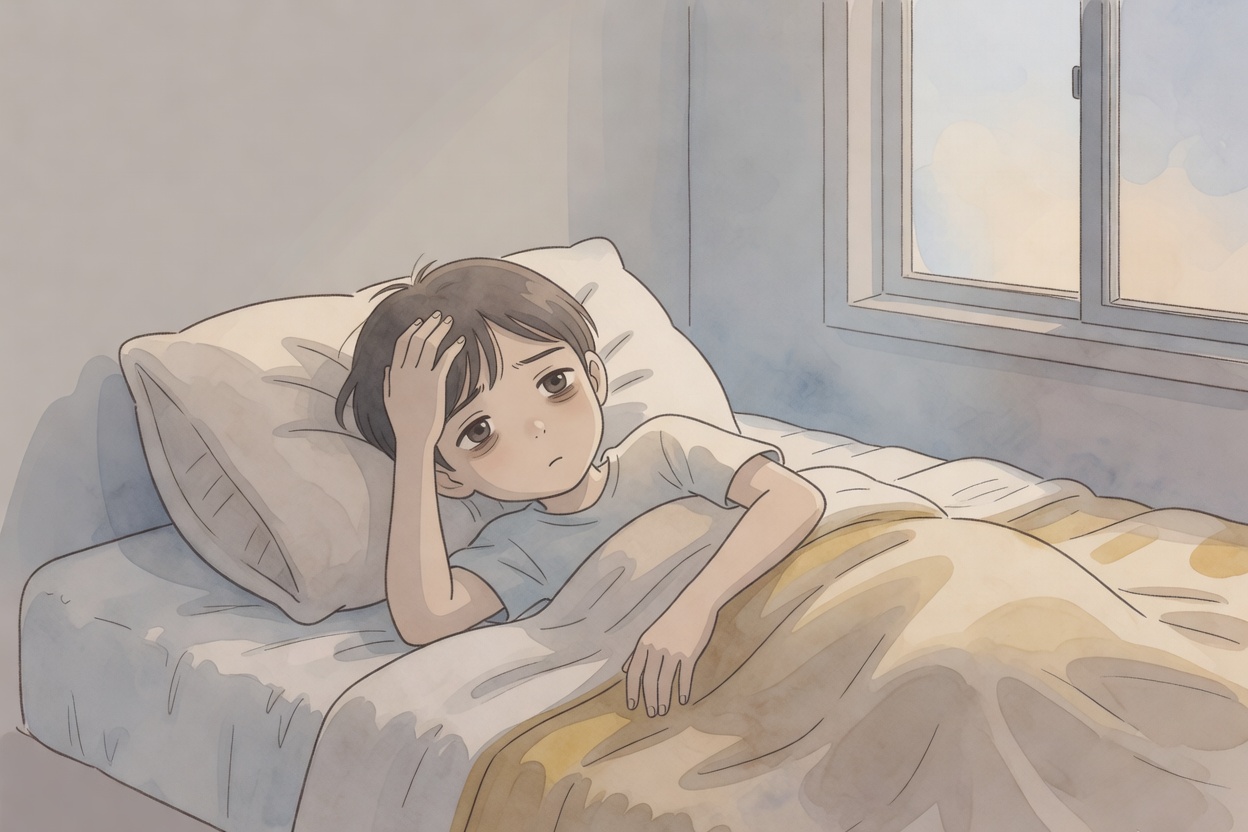
The problem is that most sleep hygiene advice is given as a checklist: no caffeine, no screens, dark room, cool temperature. And if you’ve already tried all that and you’re still staring at the ceiling at 2 AM, you feel like a failure.
You’re not. Let’s separate what actually matters from what’s noise.
The Essentials (These Actually Matter)
1. Consistent wake time
This is the single most powerful sleep tool, and almost nobody talks about it. Set a wake time and keep it — even on weekends. Yes, even when you slept terribly. Your circadian rhythm anchors to when you wake up, not when you go to bed.
2. Light exposure in the first hour
Get outside or sit near a bright window within 60 minutes of waking up. This resets your internal clock and tells your brain “daytime started.” It’s free, it’s fast, and it has more evidence behind it than any supplement.
3. Cool bedroom (65-68°F / 18-20°C)
Your body needs to drop about 2 degrees in core temperature to initiate sleep. A cool room helps. A warm shower 90 minutes before bed also helps — the cooling effect afterward triggers drowsiness.
4. A wind-down buffer
Your brain can’t go from answering emails to sleeping in 5 minutes. Give it 30-60 minutes of low-stimulation activity: reading, stretching, a podcast, conversation. This isn’t luxury — it’s necessary.
The Helpful-But-Not-Essential
Caffeine cutoff
The half-life of caffeine is 5-6 hours. If you’re sensitive, a 2 PM cutoff is reasonable. But some people drink espresso at dinner and sleep fine. Know your body. The anxiety about caffeine can be worse than the caffeine itself.
Dark room
Helpful, yes. Blackout curtains are nice. But a sleep mask works just as well for a fraction of the cost.
No screens before bed
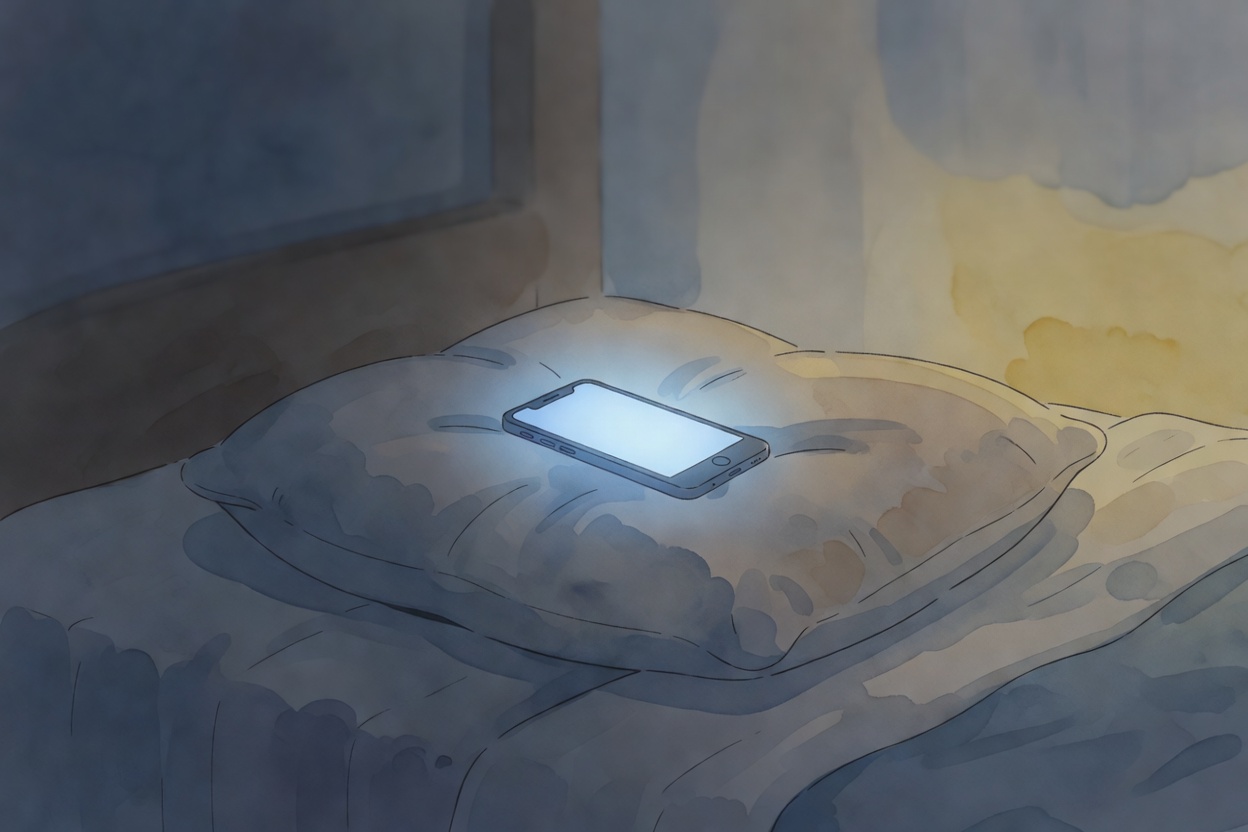
The blue light argument is somewhat overblown — it’s not the light that keeps you up, it’s the content. Scrolling anxiety-inducing news is different from watching a calm nature documentary. If screens are your only wind-down tool, don’t stress about the light. Use night mode and choose calming content.
The Overhyped (Save Your Money)
Weighted blankets
Some people love them. The evidence is mixed. If you’ve tried one and it helps, great. If you haven’t, it’s not the missing piece.
Supplements (melatonin, magnesium, etc.)
Melatonin helps with jet lag and circadian issues, not with anxiety-driven insomnia. Magnesium glycinate shows modest promise for relaxation. Neither is a solution for chronic sleeplessness.
Sleep trackers
Useful for pattern recognition. Dangerous for obsession. If you check your “sleep score” first thing every morning and it determines your mood — the tracker is hurting more than helping. This is called orthosomnia, and it’s a real phenomenon.
The One Rule That Changes Everything
Only be in bed when you’re sleeping (or being intimate).
Don’t read in bed. Don’t scroll in bed. Don’t watch TV in bed. Don’t lie in bed awake for hours.
This feels extreme, but it’s the cornerstone of CBT-I (the gold standard insomnia treatment). Your brain learns through association. If your bed = sleep, your brain will start to cooperate. If your bed = lying awake, worrying, scrolling — your brain learns that too.
Building Your Personal Routine
Forget the generic checklist. Here’s how to build a routine that works for you:
- Pick a non-negotiable wake time. Stick to it for 2 weeks before judging results.
- Identify your biggest sleep enemy. Is it anxiety? Overthinking? Physical tension? Boredom? The solution depends on the enemy.
- Choose ONE wind-down activity you actually enjoy. Not one you “should” do.
- If you’re not asleep in 20 minutes, get up. Go somewhere dim. Do something boring. Return when drowsy.
The Bigger Truth
Sleep hygiene is important, but it’s table stakes. If you’re going through something emotionally — stress, loss, heartbreak, anxiety — no amount of blackout curtains will override a nervous system in distress.
The real sleep fix is often emotional safety. And that might mean therapy, journaling, or just talking to someone about what’s keeping your brain up at night.
Your body knows how to sleep. It’s been doing it your entire life. Sometimes it just needs your mind to feel safe enough to let it.
Locate yourself first: the insomnia test (ISI) is seven questions on a clinically validated scale. Free, no registration.