Why You Can't Sleep (It's Not What You Think)
You have tried melatonin, no screens, and counting sheep. The reason you cannot sleep may be conditioned alertness — and it can be changed
 Ricardo De Castro KingPsychologist · Meet the author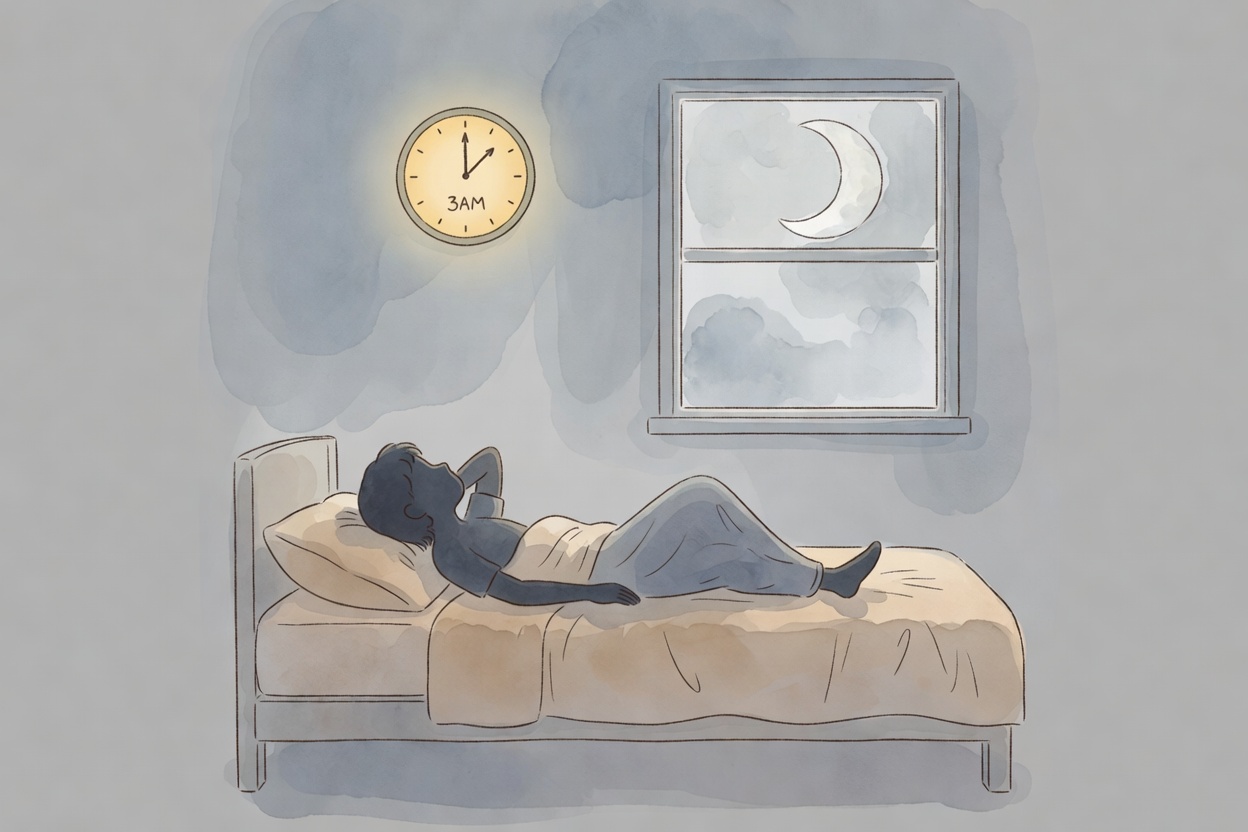
Why You Can’t Sleep (It’s Not What You Think)
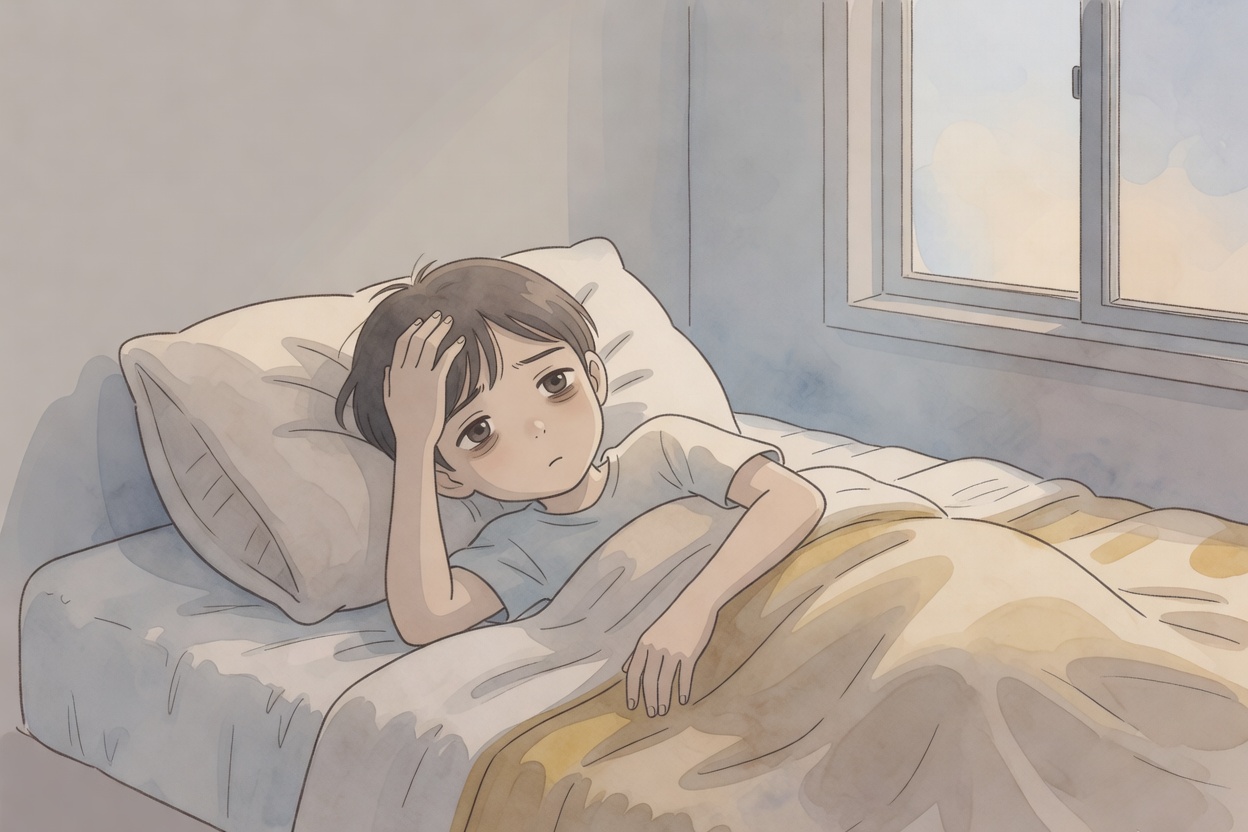
You’ve googled “how to fall asleep fast” at 3 AM. You’ve tried the military method, the 4-7-8 breathing, the lavender pillow spray that cost $24. Nothing works. And now you’re lying there, watching the ceiling, wondering if you’ll ever sleep normally again.
Here’s the thing nobody tells you: insomnia usually isn’t a sleep problem. It’s a safety problem. And neuroscience proves it.
Your Brain Is Standing Guard
When you can’t sleep, your nervous system is stuck in a state of hypervigilance. It doesn’t matter how tired you are — your brain has decided that something is wrong, and falling asleep means letting your guard down.
This might be because:
- You’re going through something stressful and your brain won’t stop running scenarios
- You had one bad night and now you dread bedtime itself
- Your body is carrying tension you haven’t processed
- Something in your life feels unresolved or out of control
The cruel irony of insomnia is that the harder you try to sleep, the more your brain interprets the effort as a signal that something is wrong. Why would you be trying so hard if everything were fine?
The Anxiety Loop
Here’s how most insomnia gets stuck:
- You have a bad night (everyone does sometimes)
- The next day you feel awful and worry about tonight
- You go to bed anxious about sleeping
- The anxiety keeps you awake
- You have another bad night
- Now you’re really worried
- Repeat
This loop is called conditioned insomnia, and it’s incredibly common. Your bed — the place you’re supposed to feel safest — becomes associated with frustration, dread, and failure.
What Actually Helps
Stop trying so hard
This sounds counterintuitive, but the most effective insomnia therapy (CBT-I) actually tells you to get out of bed when you can’t sleep. Go sit in a dim room. Read something boring. Only go back when you’re genuinely drowsy. The goal is to break the association between your bed and being awake.
Address the real source
If you’re going through a breakup, a job loss, grief, or any kind of emotional upheaval — the sleep problem is a symptom. You can optimize your sleep environment all you want, but if your nervous system doesn’t feel safe, it won’t let you rest.
This is where therapy, journaling, or even a good conversation with someone you trust can do more than any supplement.
Give your brain a “closing ceremony”
Your mind replays the day because it hasn’t been given a chance to process it. Try this 20 minutes before bed:
- Write down three things that happened today (good, bad, neutral)
- Write down one thing you’re worried about tomorrow
- Write: “I’ve noted it. I’ll handle it tomorrow. Tonight, I rest.”
It sounds simple. It works because you’re giving your brain permission to clock out.
Lower the stakes
The worst thing about insomnia is the catastrophizing: If I don’t sleep tonight, tomorrow will be ruined. But research shows that one bad night doesn’t affect performance as much as we think. What does wreck us is the anxiety about the bad night.
Tell yourself: “Even if I don’t sleep well, I’ll manage. I always do.”
When to Get Professional Help
If you’ve been struggling for more than 3 weeks, or if poor sleep is affecting your relationships, work, or mood — it’s time to talk to someone. Not a sleep hack. A person.
Ricardo De Castro King works online with the anxiety-insomnia connection. The sleep resources on MomentoVital can help bridge the gap while you work on the deeper stuff.
You’re not broken. You’re exhausted and your nervous system is trying to protect you. It just doesn’t know how to stop.
Your insomnia isn’t a failure to sleep. It’s your brain’s way of standing guard. The fix isn’t trying harder — it’s teaching your nervous system that it’s safe to let go.
If the nights aren’t getting better, a therapist who understands the anxiety-insomnia connection can help: Ricardo De Castro King sees people online, wherever they are. For night-by-night support, the sleep resources on MomentoVital give your brain something to follow instead of spiral.
Give your nervous system some help. It’s been working overtime.
If you want to know how severe your insomnia is before you change anything, the insomnia test (ISI) measures seven questions and returns a result immediately. Free, no registration.