A SPACE TO UNDERSTAND
When things you loved no longer feel enjoyable.
A favourite meal, going out or talking to someone may feel different now. This guide explains loss of interest and enjoyment, including when to speak with a professional.
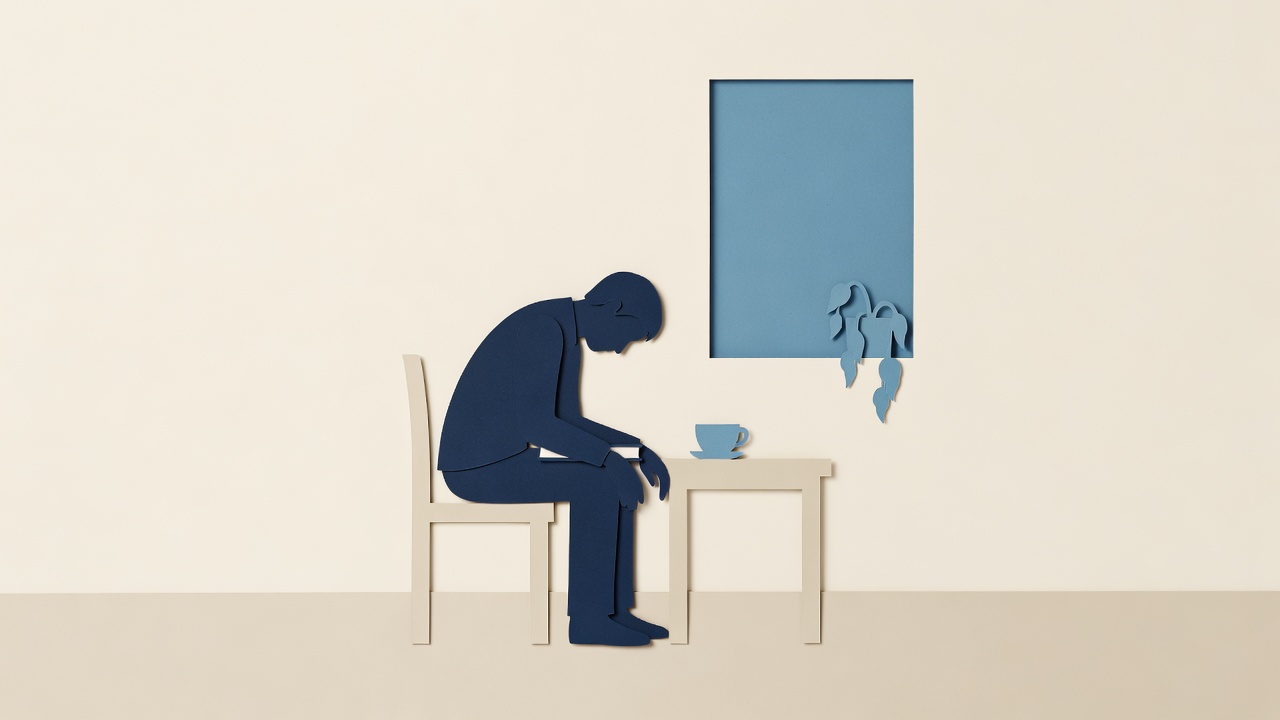
It is not that you are missing motivation
Perhaps you still play your favourite music, but it no longer moves you. Or it is hard to imagine a plan you would look forward to. Anhedonia refers to reduced interest or pleasure. Describing what changed can help you explain it; you do not need to label yourself lazy or identify a subtype on your own. If it persists, worsens or disrupts your life, a professional can assess what is happening.
- It can happen to keep doing the things you used to enjoy and notice they feel empty, without knowing why
- It can happen to have no desire to plan things, and for no one close to you to notice from outside
- It can happen to smile by reflex in meetings and come home feeling exactly the same
- It can happen to hear "but you have everything" and feel that it does not answer anything about what is happening to you
One small thing for today
Choose something manageable without expecting yourself to feel better immediately. Afterwards, notice how it went. If loss of interest persists or disrupts your life, seek professional support.
There are no right answers or scores. Write only what you want to keep for yourself. These notes are not sent anywhere; saving them in this browser is optional.
If you share this device, other people could see saved notes. You do not need to include names or private details.
Understanding what feels different
- Treadway and Zald (2011) distinguish pleasure from the motivation to seek it. That distinction can help describe an experience; these questions cannot tell you how your brain is functioning. DOI: 10.1016/j.neubiorev.2010.06.006
- Rizvi and colleagues (2016) review questionnaires and tasks used to study anhedonia, including their limitations. The plan on this page is a place for your own observations, not one of those scales. DOI: 10.1016/j.neubiorev.2016.03.004
- Treadway and Zald (2013) explore pleasure, motivation and effort. Their research models do not establish a separate treatment for each answer you give here. DOI: 10.1177/0963721412474460
- You can bring concrete examples to an appointment: what changed, when it began and how it affects your days. You do not need a perfect explanation first.
One thing today
Choose something small that matters to you, even if it does not feel exciting today: play one song, prepare something simple or sit outside for a few minutes. This is an invitation to notice your experience, not a treatment or a test to pass.
- Choose a safe, manageable activity for the day you are having, not the day you think you should be having.
- Consider when you could try it and what would make it easier. You can shorten it, change it or ask someone to join you.
- If you choose to try it, notice your experience. You can stop; you do not have to force pleasure or finish at any cost.
- Afterwards, write one sentence in the plan: what you did, how it felt and what you might need next time. Not noticing a change is not a failure.
If even a small step feels impossible, asking for support can be your starting point. You do not have to solve this with an exercise.
Read something that gets what you feel
Not sermons. Three short pieces about a pattern that many people live with without knowing it has a name.
If you want to explore additional resources we have researched and recommend, they are here:
See information and availability at rdkterapia.
Frequently Asked Questions
What is anhedonia?
It is reduced interest or pleasure in activities you used to enjoy. A page or a short exercise cannot establish its cause or a diagnosis.
Is anhedonia the same as depression?
No. Loss of interest or pleasure can be a symptom of depression, but it is not enough on its own to diagnose it. An assessment considers other symptoms, their duration and their effect on your life.
What do I do today?
You can use the four plan fields to prepare a small activity, consider what would make it easier and note how it went, without requiring yourself to enjoy it. If the difficulty persists, worsens or affects daily life, seek professional support; you do not need to wait a set number of days to ask. If there is immediate danger or you cannot stay safe, seek urgent help through the crisis resources on this page.